Cantonese food are basically the foods from Guangdong Province, South of China. It is one of the four traditional Chinese cuisines and one of the eight major cuisines. It originated from the central China, and after more than two thousand years of development, it has matured in the late Qing Dynasty.

Cooking methods
There are 21 kinds of cooking methods, especially steamed, fried, simmered, stewed, buckled, etc.. Pay attention to the heat, and the dishes should also focus on their color, fragrance, taste, and shape. The taste is clear, fresh, tender and cool, and it varies with the seasons. The taste will be fresh in Summer and Autumn, and grumous in winter and spring, and there are six flavors, sour, sweet, bitter, spicy, salty, fresh. The selection of materials is wide and varied, and the flavor emphasizes the quality and taste.
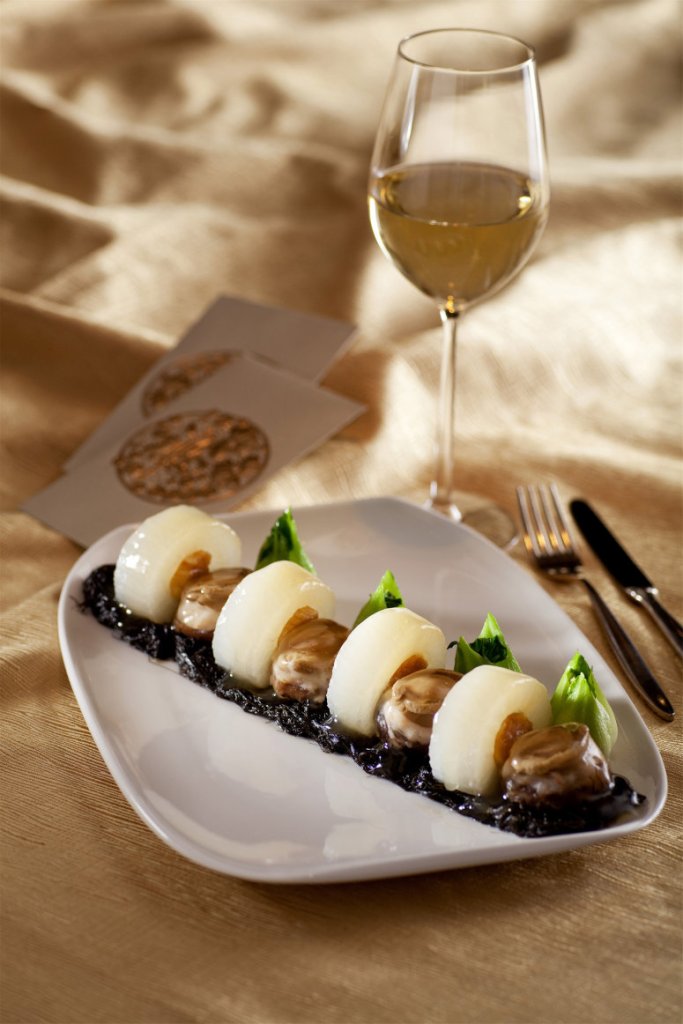
The Soft-Boiled Chicken
Ingredients needed:
Qingyuan white cut chicken
Ingredients: 1 Qingyuan Chicken, 500g green onion, 1 ginger
Seasoning: 1 tablespoon of raw soy sauce, 3 tablespoons of yellow rice wine, 2-3 teaspoons of salt, 1 teaspoon of sugar
Cooking Steps
- Cover the bottom of the pot with shallots and place some ginger slices.
- Clean up the chicken, put a little salt and rice wine on the surface of the chicken, and put some ginger slices on the chicken.
- Heat in medium high heat for about 2 minutes. When there is smoke coming out, turn to low heat, cover the lid, put some ice on the lid, and simmer for about 25 minutes.
- After turning off the fire, take out the chicken and soak it in ice water for 10 minutes; take out the chicken, dry the water and cut the chicken into pieces. Cut some shallots and ginger into pieces, add some salt, soy sauce and sugar, mix well, and dip in the sauce when eating.

Dry fry rice noodles with beef
Ingredients: beef (150g), river noodles (500g)
Seasoning: mung bean sprout (250g), leek, chive, onion, salt, soy sauce, sugar, peanut oil
Cooking Steps
- Slice the beef, mix well with water, let it eat water, add raw soy sauce and sugar, and then marinate with peanut oil for at least half an hour.
- Wash mung bean sprouts, leek, onion and chive.
- Cut chives, chives and onions into segments.
- Heat up the oil in the pot, drain the oil from the beef, and drain the oil as soon as it changes color.
- Filter the beef.
- Pour the oil in the pot clean, leave nothing in it. Heat the pot, and put the mung bean sprouts, rice noodles and onion into the pot.
- Mix the mung bean sprouts with rice noodles, stir fry until the mung bean sprouts are slightly soft.
- Remove the pot from the heat and add beef, leek and scallion.
- Add some salt, soy sauce and mix well.
- After the flavor is adjusted, put the pot on the tempering plate and stir fry it quickly.
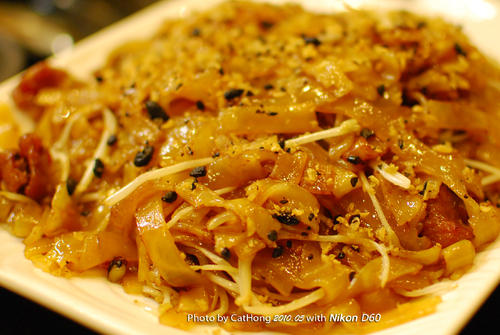
Sampan Congee
raw material:
100g japonica rice, 100g squid (fresh), 300g pork tripe
accessories:
25g scallops, 50g pork skin, 50g indica rice flour (rice noodle), 50g peanut kernel , 1 oil stick.
Seasoning:
2 g salt, 1 g monosodium glutamate, 3 G shallot, 3 G ginger, 5 g soy sauce, 5 g lard (refining), 3 G alkali
Cooking Steps
- Remove the ribs from the scallops, soak them in warm water and scatter them
- Soak the squid in alkaline water, cut it into filaments and scald it in boiling water
- Soak the pigskin in cold water, rinse it, cut it into strips, put it into a boiling pot and boil it
- Clean pork tripe
- Roast duck cut into small pieces
- Remove the coat from the peanut kernel, roll it in boiling salt water, and remove it to dry
- Put into a slow boiling oil pan, fry until golden yellow, remove and drain the oil
- Fried rice flour in boiling
- Wash the rice and soak it in cold water for half an hour, then drain it;
- Take the pot and add some cold water, and heat it with high fire first;
- Add in the rice, scallop and pork tripe, and cook them over low heat until they are congee, then season them with salt and monosodium glutamate;
- Put the other ingredients into a large bowl, pour into the porridge, then add lard, soy sauce, ginger (shredded) and mix well.

 ayyyyyyyou_